


Miele Operations & Payment Systems, through its appWash platform, is a shortlisted nominee for the Smart Sustainability Initiative award for addressing the inherent resource intensity of shared services such as laundry in student housing by combining high-performanc hardware with a fully digital, app-based management system. By focusing on the entire lifecycle of the equipment - from the use of green steel in manufacturing to long-term energy efficiency - appWash provides a scalable solution for operators to reduce their carbon footprint and meet increasingly stringent ESG requirements.
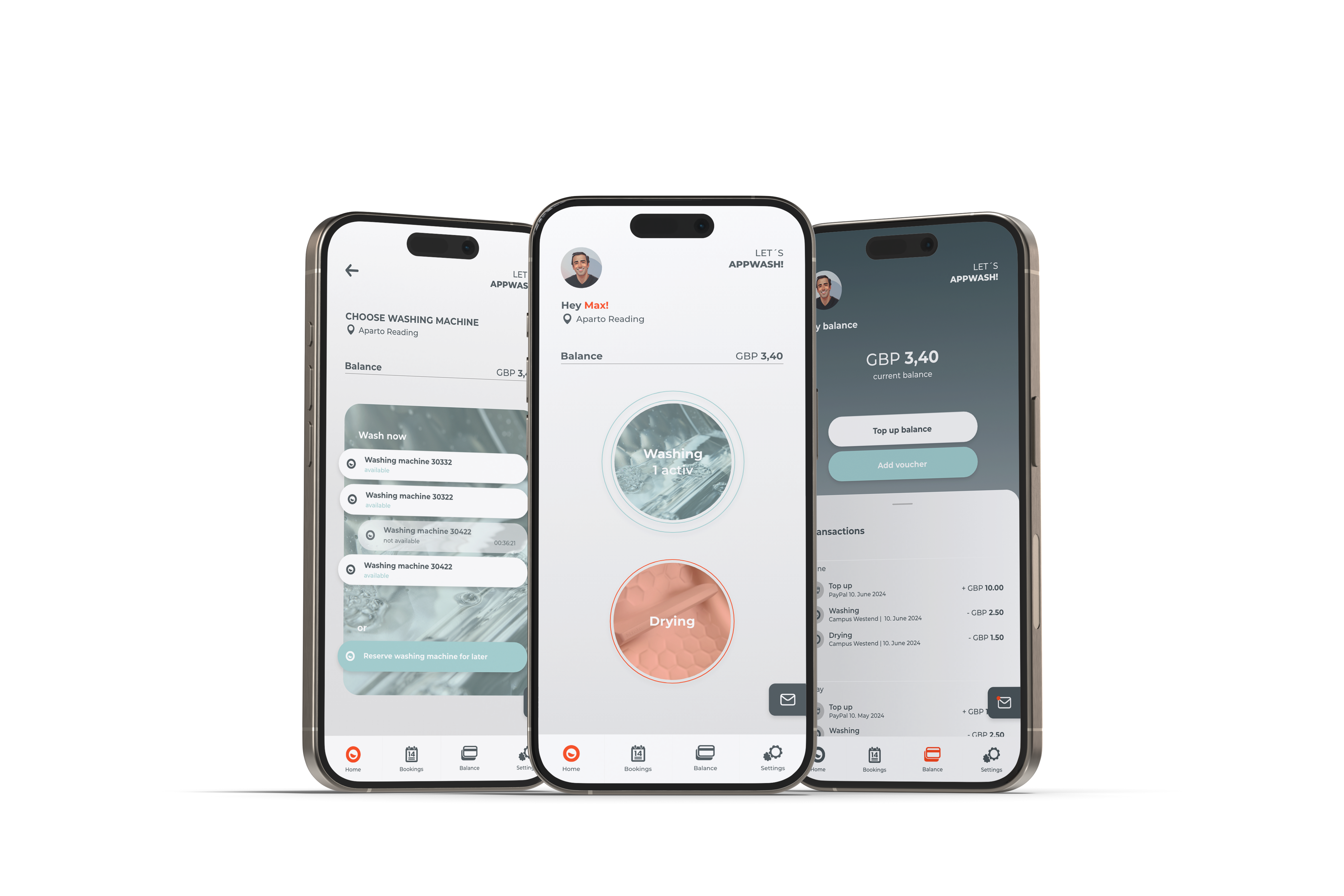
In the short term, the objective is to modernise and optimize shared laundry facilities by eliminating the need for additional payment hardware and manual oversight. The digital platform allows for centralized, data-based management, providing operators with real-time monitoring and remote diagnostics. This immediate shift to a digital-first model reduces the need for physical service visits and simplifies the user experience for students. By deploying machines with a high energy efficiency rating, the initiative achieves up to a 50% reduction in energy consumption compared to conventional models, delivering an immediate decrease in utility costs and resource waste within the student residential environment.
What this means in practice becomes clear in a student residence in Frankfurt. Since November 2025, a laundry room with five washing machines and four dryers has been connected to the data platform, enabling real-time tracking of usage and consumption.
Over 400 drying cycles are completed each month. Using heat pump dryers, which consume up to 50% less energy than conventional electrically heated vented dryers, the average energy consumption per cycle is 0.92 kWh. This yields monthly savings of over 400 kWh, equivalent to the average monthly electricity consumption of nearly three people in Germany.
Looking toward the future, the long-term goal is to establish a circular and highly durable infrastructure for the student housing sector. The project emphasizes longevity, with machines designed for up to 30,000 operating hours to significantly lower replacement frequency and raw material consumption over time. Furthermore, by incorporating highly recyclable materials and green steel, the initiative aims to improve the overall carbon footprint of laundry operations by 66%. Ultimately, Miele Operations seeks to prove that essential services can be transformed into key drivers of sustainability, ensuring that student housing is equipped with durable, resource-efficient technology that benefits both the planet and the operational bottom line.

Join us on our journey.

Building on the future of student living.
© The Class Foundation 2023 - All rights reserved